





It’s no secret that the trucking industry is overwhelmingly made up of small fleets. That was true even before the pandemic, but the number grew rapidly when Covid-era spot rates spiked and new carriers flooded into the market.
Why Small Trucking Fleets Are Still Standing [Commentary]
Why discipline, relationships, and focus have mattered more than size for smaller trucking fleets during the freight recession.
January 27, 2026
Last year, we spoke with several small trucking fleet owners who had not only survived multiple freight cycles but grown through them.
Credit: HDT
3 min to read
Most of those carriers are still very small. At the end of 2023, nearly 70% were one- or two-truck operations, according to FMCSA data. Even though they’re technically motor carriers, many of them still think like drivers.
In most cases, that works just fine.
But somewhere around eight to 15 trucks, the fleet owner can no longer be in every truck, every conversation, every inspection. Compliance, safety, insurance, and maintenance issues start to stack up. That’s usually when processes start to matter.
For the sake of argument, let’s call a small fleet one that operates between 11 and 100 trucks, which makes up about 7% of U.S. motor carriers.
It might be the hardest size to be. These fleets are too big to manage casually and too small to absorb mistakes. They’re more visible to regulators and insurers, yet they don’t have the resources to copy the playbooks of large carriers.
And yet, a surprising number of them are still standing after navigating a prolonged freight downturn, rising insurance costs, regulatory shifts, and ongoing technology mandates with very little margin for error.
Instead of trying to get bigger, many small carriers got smarter. They tightened up on costs, doubled down on customer relationships, and made focused investments in technology.
Over the past year, our editorial team has been spending more time with small fleet owners, and in 2026 we’re doubling down to offer practical guidance where big-fleet playbooks don’t fit.
What’s Working for Small Fleets
Last year, we spoke with several small fleet owners who had not only survived multiple freight cycles but grown through them. Some common themes emerged.
One was drivers. Small fleets often have lower turnover because owners stay connected to their drivers, respond quickly to problems, and are willing to protect them — even if that means pushing back on customers.
Jamie Hagen, whose Hell Bent Xpress operates about a dozen trucks, says learning to say no to customers in order to keep drivers happy was a turning point.
“If you’re up front with people — ‘I don’t have enough trucks this week; can we do it next week?’ — it usually works out better in the end,” he said.
Cost control was another constant. Hagen is passionate about fuel economy, for instance. “I’ve never understood the desire to burn more just for fun,” he said.
Other fleets manage costs differently: leasing equipment to keep maintenance predictable, running late-model used trucks, or investing in new trucks that deliver fuel savings, safety benefits, and driver appeal. Customer relationships matter just as much.
Graig Morin, president and co-founder of Brown Dog Trucking, has built a loyal customer base by focusing on local businesses.
“Big fleets are going to grab business from other big businesses,” he said. That’s not how a successful small fleet usually works.
That focus on service aligns with what shippers say they want from their freight partners. In a recent survey by Denim, nearly two-thirds ranked service and reliability as their top criteria, far ahead of cost. Bigger isn’t always better. Scale alone isn’t a sound business strategy.
For many small fleets, the last few years were less about growth and more about management — managing costs, expectations, and relationships. The ones still here and poised for success this year didn’t just get lucky. They stayed close to the business, paid attention to details, and made careful choices.
As we face continued uncertainty in 2026, those fundamentals may matter just as much as the market itself.
Subscribe to Our Newsletter
More Fleet Management

AI Security Risks for Trucking Fleets: What to Know About Deepfakes and Agentic AI
As fleets adopt artificial intelligence for routing, maintenance, and load matching, new security risks are emerging. Learn where the vulnerabilities are and how to put the right controls in place.
Read More →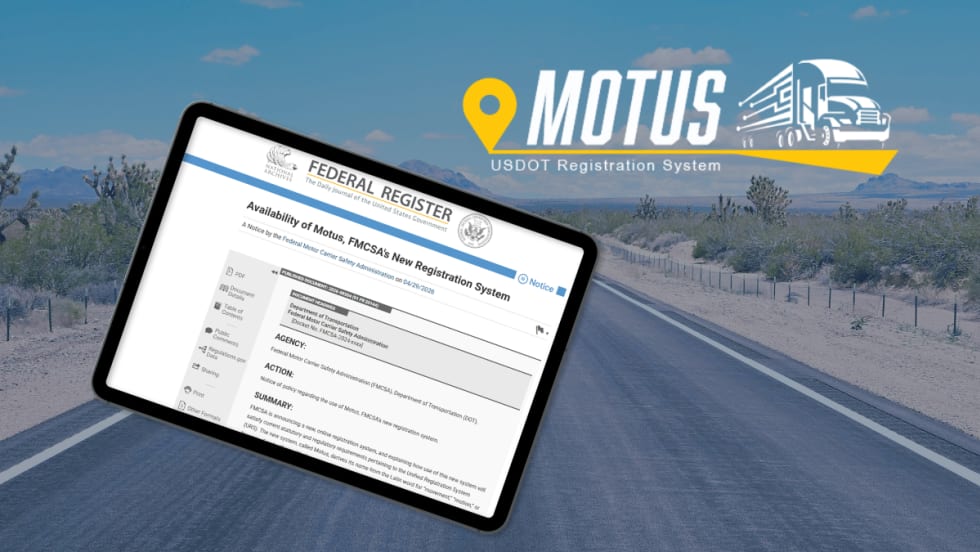
FMCSA’s Motus System Is Coming. What Fleets Need to Know Now
The long-awaited registration system promises a single portal — and tighter fraud controls.
Read More →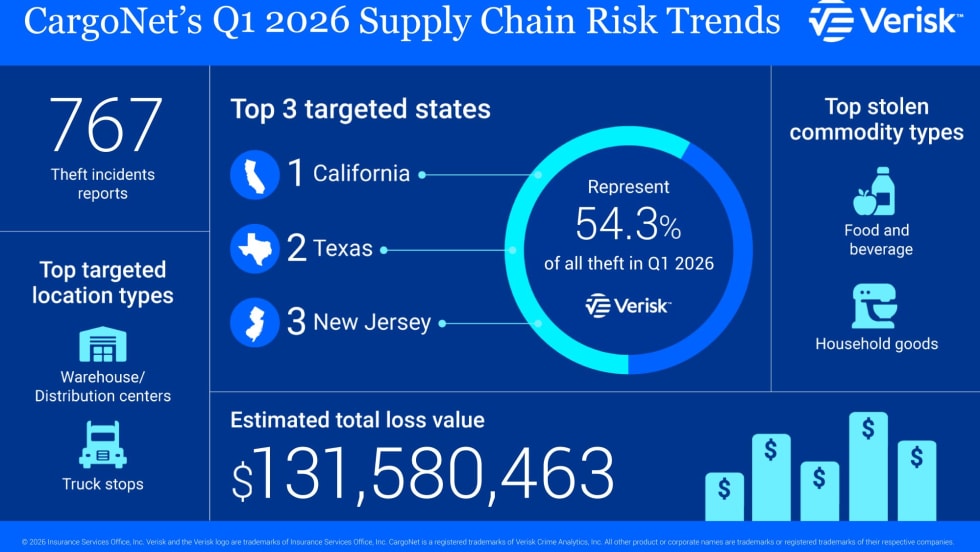
Cargo Theft Incidents Fall in Q1, but Organized Crime and Impersonation Drive New Risks
CargoNet reports fewer supply chain crime events to start 2026. But losses hold steady as organized crime shifts tactics toward impersonation schemes and high-value goods.
Read More →
Nominations Open for HDT Truck Fleet Innovators 2026
Heavy Duty Trucking is searching for forward-looking leaders at trucking fleets as nominations for HDT’s Truck Fleet Innovators 2026. Deadline is May 15.
Read More →
New Trojan Driver Cargo Theft Scam Bypasses Carrier Vetting Systems
Cargo theft rings plant operatives as drivers inside legitimate, fully vetted carriers, then execute coordinated thefts that look like a traditional straight theft from the outside.
Read More →
March Truck Tonnage Posts Strongest Annual Gain Since 2022
A modest sequential increase capped the strongest quarterly performance in years, signaling continued freight momentum in early 2026.
Read More →
Ohio Turnpike Targets $5.2 Million in Unpaid Tolls from Trucking Firms
More than 300 carriers across 26 states have been sent to collections as the Ohio Turnpike cracks down on toll evasion and delinquent payments.
Read More →
'Beyond Compliance,' Regulations, Driver Coaching on ATRI’s 2026 Research List
The American Transportation Research Institute will examine driver coaching, regulatory impacts — including the "Beyond Compliance" concept —and weather disruptions that shape trucking operations.
Read More →
Fleet Advantage's Brian Antonellis on the Growing Need to Replace Old Trucks
Fleet Advantage's Brian Antonellis says it's time for fleets to get back to the fundamentals of good maintenance practices. And that includes replacing older, inefficient equipment.
Read More →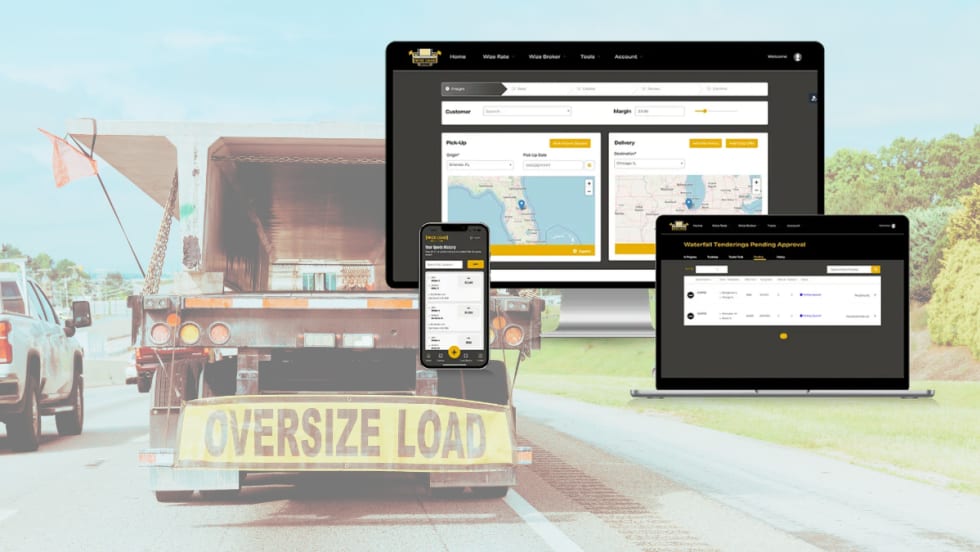
Truckstop.com Adding to Open Deck, Heavy Haul Offerings
Load matching for flatbed, lowbed, oversize and overweight loads can't be automated like basic van freight, but Truckstop.com is adding more high-tech tools to help.
Read More →